
86 13686388557

Date:2026-09-24
A remote-control mower is not simply a larger version of a domestic robot mower. It is specialist ground-engaging equipment with a radio transmitter in the operator's hands, and the questions worth asking are rarely the ones that look most impressive in a brochure. Before the dealer starts the engine, work through the checks below in this order. The aim is simple: make sure the machine you buy is actually suited to the ground, workload and working conditions you have.
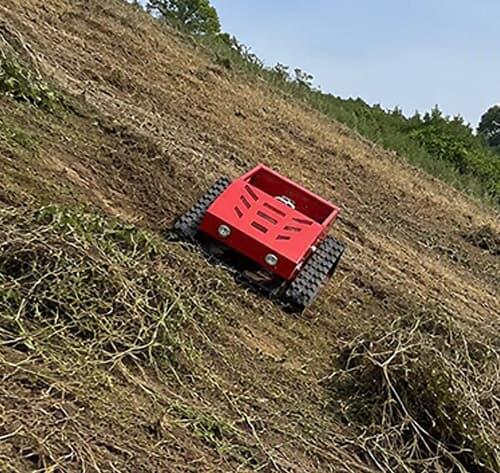
Measure the single worst stretch of ground you will actually cut. That is the number the machine needs to handle, not the easier two-thirds of the site. A 35-degree working rating is useful only when your worst metre is 33 degrees. It means very little on a 42-degree batter.
Do not rely only on the slope figure printed in a product brochure. Measure the difficult section of your own site and compare it with the machine's stated operating limits and the conditions under which that rating applies.
Belts are generally straightforward to service but can be vulnerable to debris. A shaft or gearbox drive costs more and can provide a different service profile in rough material. Neither arrangement is automatically wrong. What matters is knowing exactly which system the machine uses, what parts are involved and what those parts cost.
Ask the dealer to identify the drive system before the demonstration and include the relevant replacement parts in the quotation. For commercial work, the purchase decision should include maintenance rather than stopping at the machine's initial price.
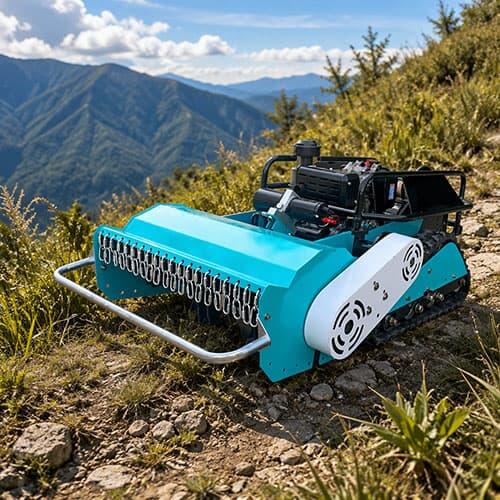
On anything other than clean turf, pivoting hammers can make a significant difference when the mower encounters difficult material. If the site contains rubble, roots or standing stalks, this check deserves more attention than simply comparing horsepower figures.
A remote control flail mower is often selected for rough vegetation because the individual hammers can move when they encounter resistance. That does not make the deck indestructible, however. The actual material on the site, debris level and recommended operating procedure still determine whether the configuration is appropriate.
A machine may perform perfectly on the slope and still be impractical to transport. Measure the trailer bed, the site gate and the doorway of the storage shed. Check the overall length as well as the width.
Transport dimensions affect whether the mower can leave the yard, reach different sites and be stored without extra handling. A tracked mower that fits the ground but does not fit your transport system can quickly become a difficult machine to operate commercially.
This is a yes-or-no question, and the answer should be demonstrated rather than simply described. The expected response is that the drive stops and the cutting deck stops, in the required sequence, without the operator having to make another decision.
Ask to see the loss-of-signal response during the demonstration and follow the manufacturer's test procedure. A remote control lawn mower used on slopes should not be assessed only by how well it cuts when everything is working normally. Its response to a lost signal is part of the machine's operating system.
A throttle that stays where it is left can continue commanding the machine after the operator's hands come away. A spring-return throttle returns toward its neutral position when released.
On a slope, that difference matters. Check how the transmitter behaves when the control is released and make sure the response matches the manufacturer's operating procedure and safety system.
Quoted control range means little if a bund, tank, building or lorry sits between the operator and the machine. Stand at the positions from which you expect to operate and check the line of sight to the worst section of ground.
The practical question is not simply how many metres the transmitter can reach. It is whether the operator can maintain a clear view of the machine throughout the job. If the machine disappears behind an obstruction, the quoted radio range does not solve the problem.
A heavy front end can contribute to stability on a batter but can make handling and transport more demanding on level ground. Ask for the machine's weight distribution and ground pressure rather than looking only at total machine weight.
Ground pressure becomes especially relevant when a tracked mower is used on wet or soft ground. The wrong combination of machine weight and ground conditions can leave ruts even when the mower has enough traction to keep moving.
Find an owner, not only a showroom. One useful question is: “What broke first, and how long did you wait for the part?”
Real operating experience can reveal maintenance points that are difficult to understand during a short demonstration. Ask about common wear items, repair frequency and parts availability. A machine that looks good for twenty minutes on a dealer's yard still needs to make sense after months of commercial work.
Belts, rollers, remote batteries and hammer bolts are not expensive details if the machine is sitting idle waiting for them. Ask which commonly replaced parts are actually stocked close enough to reach you quickly.
A machine that cuts brilliantly for eleven months and then waits six weeks for a roller is a very expensive ornament. For commercial users, parts availability should be discussed before the purchase rather than after the first breakdown.
You can also check our equipment range on Made-in-China when comparing machine configurations and supply options.
Look inside the deck before buying. If you cannot get a pressure lance and a hand into the areas that need cleaning, accumulated grass and debris will eventually become a service problem.
A field machine should be practical to clean after a working day. If routine cleaning requires several specialist tools and a workshop hoist, the maintenance routine may not match the conditions in which the mower is supposed to work.
Some warranties exclude commercial use. Some exclude operation beyond a stated slope angle. Some contain both restrictions. Read the warranty conditions before the demonstration rather than treating them as paperwork after the purchase.
The exclusions can materially change the value of the machine for a commercial operator. If your normal work involves slopes, rough vegetation or extended operating hours, make sure those actual conditions are covered by the manufacturer's stated warranty terms.
A single-operator business can become dependent on one person's availability. Check whether a second transmitter can be paired with the machine and how straightforward it is to train another operator.
This is not only a staffing question. It can also affect how the machine is used, maintained and eventually resold. A system that can be operated by properly trained additional staff may be more practical for a growing commercial operation.
A long, continuous shift with no convenient power source on site can favour a fuel-powered machine. Short, repeated visits in noise-sensitive locations can favour battery power.
The right choice depends on how the working day is actually laid out. Look at operating hours, access to fuel or charging, site noise restrictions, transport between jobs and the workload placed on the machine rather than choosing the power system simply because one specification number looks higher.
Put a number on the work the machine removes from a person. Count strimmer hours on banks, rope access work and callouts caused by overgrown areas.
Once those hours are recorded, you have something more useful than a general claim about efficiency. You can compare the machine's purchase price with the work it is actually replacing and look at the operating pattern over time. That is the practical basis for judging whether the investment makes sense for your business.
If items 1, 5 and 15 are not nailed down before the demonstration, the other twelve do not matter yet. Start with the worst ground, the machine's response when the signal is lost and the work the machine is actually expected to replace. The rest of the list will then be much easier to evaluate.
If you already know your slope, vegetation type and working hours, you can contact our team through WhatsApp to discuss the machine configuration before making a purchase decision.
Measure the steepest section of ground the machine will actually cut. The worst metre is more useful for equipment selection than the average slope across the whole property.
A remote-control mower should have a defined response when communication with the transmitter is lost. The source recommends demonstrating that response before purchase rather than accepting a verbal explanation from the dealer.
The article does not treat one deck as universally better. Pivoting flail hammers become particularly relevant when the site contains rubble, roots or standing stalks, where impact conditions are different from clean turf.
The original checklist specifically highlights belts, rollers, remote batteries and hammer bolts. Ask where these parts are stocked and how quickly they can normally reach your location.
Base the decision on the shape of the working day. Long continuous shifts without convenient power can favour fuel, while short repeated jobs in noise-sensitive areas can favour battery power.
Start by measuring the hours of work the machine is expected to replace, such as strimming on banks, rope access and vegetation-related callouts. That gives you a practical basis for comparing the purchase cost with the work being removed from manual labour.
Get instant pricing, specs, and shipping details from our team.