
86 13686388557

Date:2026-07-28
Buying a remote control lawn mower is vastly different from purchasing a walk-behind mower at a local hardware store. There are huge price differences, specifications can be confusing, and many machines look almost identical in photos yet perform very differently in actual use.
First-time lawn mower buyers often focus solely on specifications like engine displacement, battery capacity, or cutting width, while overlooking details that affect long-term reliability. Unfortunately, these overlooked details frequently become the biggest sources of regret after the mower is purchased.
This checklist is not intended to recommend one brand over another; rather, it highlights the questions experienced buyers ask before placing an order. Whether the machine is for residential use, commercial landscaping, orchards, vineyards, or maintaining steep slopes, taking a few minutes to review these points can save you significant money and prevent unnecessary hassles down the line.
A mower may look impressive in a brochure, but real value comes from reliability, safety, service support, and how well it matches your working environment—not simply from the specification sheet.
One of the most common buying mistakes happens before people even start comparing machines. They search for "the best remote control mower" without first defining what "best" actually means for their property.
A compact electric model may be perfect for maintaining a residential lawn, while the same machine could struggle on steep vineyards or overgrown commercial sites. Likewise, investing in an oversized industrial mower makes little sense if it will only trim a small backyard once every two weeks.
Before requesting quotations, make a simple list of your typical working conditions:
How large is the mowing area?
Is the ground mostly flat or does it include steep slopes?
Will the mower be used weekly or only occasionally?
Are you cutting maintained grass, dense weeds, or heavy brush?
Will one operator use the machine, or will multiple employees share it?
The clearer your answers are, the easier it becomes to eliminate unsuitable models before comparing prices.
Once you've narrowed your options, the next step isn't requesting the lowest quotation—it's evaluating the supplier. Two machines may appear nearly identical in photos, yet the support behind them can be completely different. A reliable supplier should answer technical questions clearly instead of simply repeating specifications from a brochure.
During the buying process, don't hesitate to ask detailed questions. Professional manufacturers and experienced exporters are usually happy to explain how their machines perform in real working conditions because they understand buyers are making a long-term investment.
Can the mower handle the maximum slope on my property?
How long is the actual working time under normal mowing conditions?
Which battery cells or engine brand does it use?
Are replacement blades, tracks, batteries, and controllers available in the future?
How long does warranty support last?
Can technical assistance be provided after delivery?
Are operation videos and maintenance manuals included?
What optional accessories are available?
The quality of these answers often tells you as much about the supplier as the machine itself. Companies that explain details openly usually provide stronger after-sales support than sellers who focus only on price.

While specification sheets are certainly useful, they do not always tell the whole story. Two remote-controlled mowers might boast identical engine power, battery capacity, or cutting widths, yet their actual performance can differ vastly after months of daily use.
Build quality, component selection, production standards, and quality control all influence long-term reliability. These factors rarely appear in product brochures, yet they directly impact maintenance costs, machine lifespan, and daily production efficiency.
For example, one manufacturer might use reinforced steel for the chassis and incorporate waterproof electrical connectors and industrial-grade bearings, while another relies on lighter materials to reduce production costs. On paper, the two machines might appear very similar; however, the differences become apparent after hundreds of hours of operation.
| What You See | What Really Matters |
|---|---|
| Engine Power | Actual cutting performance under heavy load |
| Battery Capacity | Battery quality, BMS protection, and service life |
| Machine Weight | Overall balance and stability on slopes |
| Cutting Width | Real mowing efficiency and maneuverability |
| Purchase Price | Long-term operating cost and after-sales support |
Looking beyond the numbers helps you compare machines more realistically and avoid expensive surprises after delivery.
Whenever possible, ask for real working videos instead of promotional clips. Watching a mower cut tall grass, climb slopes, or operate continuously provides far more useful information than a specification sheet alone.
Most people do not replace their remote-controlled lawn mowers every season. Even if a machine suits your current lawn conditions, it might not be the best choice if your workload changes in the coming years.
Some homeowners eventually expand their property, while many landscaping contractors gradually take on larger projects—often involving steeper terrain or denser vegetation. Purchasing a slightly more capable machine today can often delay the need for a future upgrade.
This doesn't mean buying the largest mower on the market. It simply means considering how your work might evolve in the future, rather than selecting equipment based solely on your immediate, minimal needs.
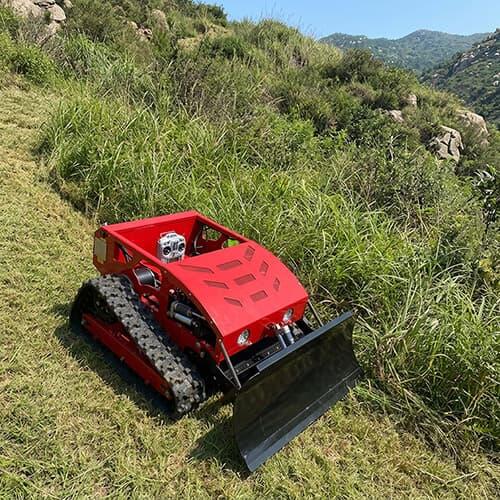
Before confirming your purchase, spend a few minutes reviewing the checklist below. It's a simple way to avoid overlooking small details that could become expensive problems later.
✔ Terrain matches the mower's climbing capability
✔ Battery or engine suits your daily working hours
✔ Cutting width matches your property size
✔ Replacement parts are readily available
✔ Warranty terms are clearly explained
✔ Technical support is available after delivery
✔ Operation manual and training videos are included
✔ Shipping method, delivery time, and spare parts package have been confirmed
If every item above has been checked, you'll have a much clearer understanding of what you're buying—and far fewer surprises once the machine arrives.
Q: HHow do I choose a remote-controlled lawn mower suitable for my lawn?
A: First, assess the area to be mowed, the slope, the type of vegetation, and the frequency of use. Selecting a mower that matches actual working conditions is far more important than simply choosing the model with the highest specifications.
Q: Is a tracked mower always the better choice?
A: Not necessarily. Tracked mowers excel on steep slopes, uneven ground, and muddy terrain. If your site is mostly flat, a wheeled mower may offer better maneuverability and lower operating costs.
Q: Should I buy extra spare parts when purchasing a lawnmower?
A: Generally speaking, this is a good idea. Promptly replacing common wear parts—such as blades, belts, filter elements, batteries, or tracks—when necessary can reduce downtime, particularly for commercial users.
Q: What information should I request from the supplier before placing an order?
A: Request videos of actual operation, detailed specifications, warranty information, maintenance instructions, spare parts availability, and details regarding after-sales support. A reliable supplier should be able to provide all this information without hesitation.
Q: Where can I find more information or request a quote?
A: You can explore more remote control lawn mower models at www.grhagri.com. If you'd like product videos, technical specifications, or a quotation, feel free to contact us directly on WhatsApp: +86 15244567951. We'll be happy to recommend a model based on your working environment.
Choosing a remote control lawn mower isn't about finding the machine with the biggest engine, the widest cutting deck, or the lowest advertised price. It's about finding equipment that fits the way you actually work.
For some buyers, this means a lightweight electric mower for routine lawn maintenance, while others may require a heavy-duty tracked mower capable of handling steep embankments, orchards, vineyards, or dense vegetation on a daily basis. The right choice always depends on the terrain, workload, and desired results, rather than just technical specifications.
Taking the time to ask clarifying questions before placing an order can help avoid unnecessary costs after delivery. Details such as after-sales service, spare parts availability, shipping requirements, and operator training are rarely mentioned in advertisements, yet they often determine whether the user experience is pleasant or frustrating.
A successful purchase isn't measured by how much money you save on day one. It's measured by how reliably your mower performs over the next several years.
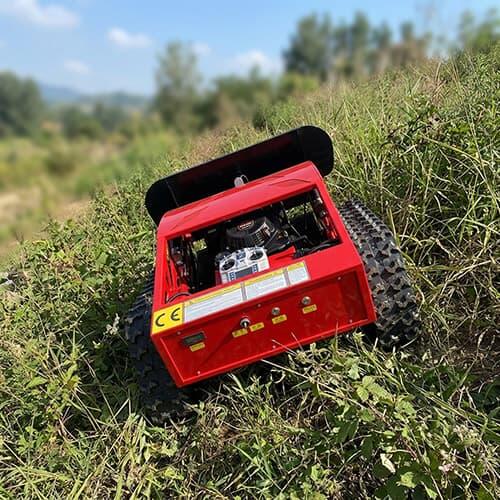
If you've worked through this checklist, you're already ahead of many first-time buyers. Rather than relying solely on advertising claims, you've considered how the machine will perform in everyday use, how easy it will be to maintain, and whether the supplier can support you after the purchase.
Before confirming your order, take one last look at the quotation. Check exactly what's included in the package, what accessories are optional, how replacement parts are supplied, and whether transportation costs, customs duties, or local taxes have been explained clearly. Small details like these often make the buying experience much smoother.
✔ Compare suppliers, not just machines.
✔ Request real working videos before ordering.
✔ Confirm warranty coverage in writing.
✔ Make sure replacement parts are available.
✔ Verify shipping, delivery time, and after-sales support.
Get instant pricing, specs, and shipping details from our team.
Essential for the website to function. Cannot be disabled.
Help us understand how visitors interact with our website. Used for Google Analytics 4.
Enable enhanced functionality like live chat support.